In an age where information travels at the speed of a click and attention spans are often measured in seconds, online magazines have carved out a unique and powerful place in our digital world. Unlike traditional print magazines, digital magazines combine the flexibility of the web with the editorial curation of periodicals — offering readers a rich mix of lifestyle trends, pop-culture commentary, technology insights, thought-pieces, and more. Online platforms such as MagzinePaper serve as modern hubs where readers can browse a variety of topics, get inspired, stay informed, or simply entertain themselves — all in one place.
What Makes a Digital Magazine Different?
A “magazine” traditionally evoked physical pages, glossy paper, and a monthly or weekly publication schedule. But with the rise of the internet, a new format emerged: the online magazine (or “webzine” / “e-magazine”) — content accessible via websites or apps, updated frequently, and optimized for mobile and desktop reading.
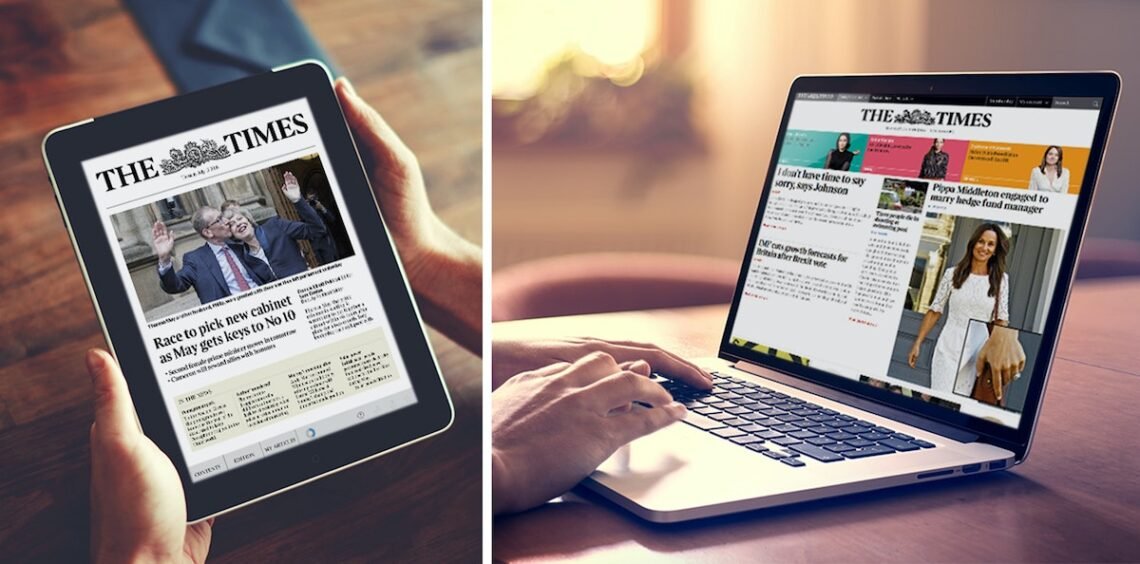
Digital magazines bypass many of the limitations of print. There’s no need for printing, physical distribution, or waiting for a scheduled issue: content can go live anytime. Multimedia — from embedded images, gallery slideshows, videos, interactive infographics, to linked articles — enhances the reader experience beyond what traditional print could ever offer.
Because of this flexibility, a site like MagzinePaper can offer a broad array of content: lifestyle and wellness articles, pop-culture and entertainment features, travel guides, technology and social trends, human-interest stories, and more. For readers with diverse tastes and unpredictable life rhythms, that breadth and immediacy make digital magazines more relevant than ever.
The Editorial Value: Curation, Variety, and Accessible Depth
One of the strengths of an online magazine is curated diversity. Instead of confining itself to a narrow niche, a magazine-style platform can produce a mix of short, light articles — perfect for quick reading or casual browsing — and deeper, more involved pieces for readers seeking insight or reflection. This variety caters to different moods, time constraints, and interests.
Furthermore, from the editorial standpoint, having an organized structure — with categories such as culture, lifestyle, tech, wellness, world news, leisure, etc. — helps readers navigate content more easily. A well-designed magazine website includes features like article tags, search, archives, and curated lists (e.g. trending now, editor’s picks), giving structure to a wide-ranging content ecosystem. Many modern magazine websites use these features to create an “immersive reading experience” that feels akin to traditional magazines but enhanced for the digital age.
Additionally — when done right — such platforms uphold journalistic or editorial integrity, offering fact-checked, thoughtful, and diverse content rather than the low-effort clickbait that plagues some corners of the internet. For readers who crave substance without sacrificing convenience, this balance is what makes digital magazines stand out.
Why Platforms Like MagzinePaper Appeal to Global Audiences
The rise of digital magazines intersects perfectly with shifting global habits. Internet penetration, smartphone use, and mobile-first browsing mean more people than ever consume content online — often on the go. Whether commuting, waiting for appointments, lounging at home, or taking breaks between tasks — reading can happen anywhere, anytime. Digital magazines fit seamlessly into these fleeting moments.
Moreover, digital magazines transcend geography. A reader in Karachi, Pakistan might enjoy the same article as someone in London or New York — shared interests, universal themes, global trends. This global reach allows for cross-cultural exposure and shared conversation: lifestyle tips from one country, pop-culture news from another, technology trends everywhere. For a publication like MagzinePaper, this means a vast potential readership and the ability to deliver content that resonates internationally.
Also, because digital delivery removes many costs associated with print (paper, printing, distribution), online magazines can be more economically sustainable while offering free or low-cost access to readers. That democratizes content — giving more people access to quality articles, regardless of background or location. This benefit is one of the core reasons digital magazines have proliferated.
Potential Pitfalls — And Why Ethical/Thoughtful Content Matters
Despite the many advantages, the online magazine model also has pitfalls. The speed of publishing and emphasis on engagement can push some outlets toward sensationalism, shallow clickbait, misinformation, or repetitive content. When quantity overtakes quality, readers get flooded with noise. That undermines trust, dilutes value, and can reduce readership over time.
Moreover, some so-called “magazines” exploit the vanity or desire for recognition of contributors — inviting submissions en masse and publishing virtually anything to maximize content volume, often at the expense of quality or legitimacy. Such practices have led many in creative communities to warn against “vanity publications” that prioritize volume over merit.
Hence, the editorial standards and ethical responsibility of legitimate online magazines become critical. The best ones curate wisely, verify facts, respect contributors, and aim for a balance between entertainment, information, and integrity.
When Digital Magazines Meet Trending Culture — The Case of Online Gambling & Gaming: A Look at Slot88
As digital magazines often cover a wide range of modern-life topics — from lifestyle and tech, to entertainment, social issues, and digital culture — they can also touch on more controversial or risky areas: including online gaming and gambling. One such entity in the online gaming space is Slot88.
Slot88 is known as an online platform offering slot-style games, often associated with online casinos or gambling-type entertainment. Including such topics in a lifestyle or entertainment magazine presents both opportunity and responsibility. On one hand, it reflects real trends: many internet users explore online gaming, some are curious about platforms like slot88 . On the other hand, coverage must be handled carefully — with transparency, fairness, and awareness of legal, ethical, and social risks.
For a magazine like MagzinePaper, writing about Slot88 (or similar platforms) should include a balanced explanation: what the platform is, how it operates, what risks or controversies surround online gambling, and what responsible-use or regulatory considerations potential players (or readers) should keep in mind. This approach respects readers’ intelligence and shields vulnerable audiences while still acknowledging cultural or entertainment trends.
The Evolution of Content — From Print to Interactive, Multimedia, and Community-Driven Experiences
As technologies advance and user behaviour evolves, online magazines are not just replicating print — they’re redefining what a “magazine” can be. Modern magazine websites now incorporate multimedia (videos, slideshows, interactive infographics), dynamic updates, social sharing, comment sections, and integration with social media. This hybrid model — mixing editorial authority with interactive media — appeals to a new generation who expect immediacy, engagement, and variety.
To design such a site, planners often adopt a structure that includes:
- An editorial-style homepage with featured stories and trending articles.
- Categories and sub-categories (e.g. lifestyle, tech, entertainment, health, travel, opinion) for easy navigation.
- Multimedia support — images, videos, galleries, interactive elements — for richer storytelling.
- Responsive design for desktop and mobile users alike — crucial in an era where many readers access content via smartphones.
- Regular updates and a steady flow of content, blending short and long reads, news, features, opinion pieces, and entertainment.
These features reflect how the definition of a “magazine” has expanded: it’s no longer just a printed booklet — it’s a dynamic, living website, a media hub, a community space.
Why Now — And Why It Matters in 2025
With the proliferation of smartphones worldwide, increasing internet access in developing countries, and the constant evolution of global culture — the demand for online magazines has never been higher. People want content that reflects their lives: local trends, global news, entertainment, practical advice, cultural analysis. Digital magazines meet those needs without requiring subscriptions or physical delivery.
For a website like MagzinePaper, launched in this environment, the potential for growth and impact is significant. By offering well-written, diverse, timely content, it can attract global audiences, build communities, and influence culture — all while being accessible and affordable.
In addition, as more people become concerned with digital well-being, misinformation, social responsibility, and ethical consumption — there is a growing demand for magazines that don’t just entertain, but inform, educate, and provoke thoughtful discussion. Digital magazines have the flexibility to address these issues: from health advice, mental well-being, social justice, technology ethics, to culture, entertainment, and social trends.
What Makes MagzinePaper’s Approach Valuable — And What Readers Should Expect
If MagzinePaper aims to succeed in this changing media landscape, its strength will likely come from:
- Editorial diversity: A broad spectrum of topics — from lifestyle and culture to technology, social issues, travel, entertainment — giving readers a one-stop destination for varied interests.
- Quality over clickbait: While engaging titles and trending topics are important, maintaining credible, thoughtful content will build trust and long-term readership.
- Multimedia and accessibility: Rich media content and responsive design ensure accessibility across devices and user preferences.
- Balanced coverage of controversial or sensitive topics: When covering gambling-adjacent platforms like Slot88, or other risky/cultural phenomena, approach with caution, nuance, and awareness of audience sensitivity.
- Global-inclusive content: Recognizing that readers come from diverse geographies and backgrounds — offering content that resonates globally while acknowledging local contexts.
- Community & interactivity: Enabling comments, social sharing, discussions, perhaps user contributions — helping build a sense of belonging and engagement among readers.
If executed well, MagzinePaper can act as a modern digital magazine that reflects the complexity, diversity, and dynamism of our times — giving readers value beyond simple entertainment.