Introduction
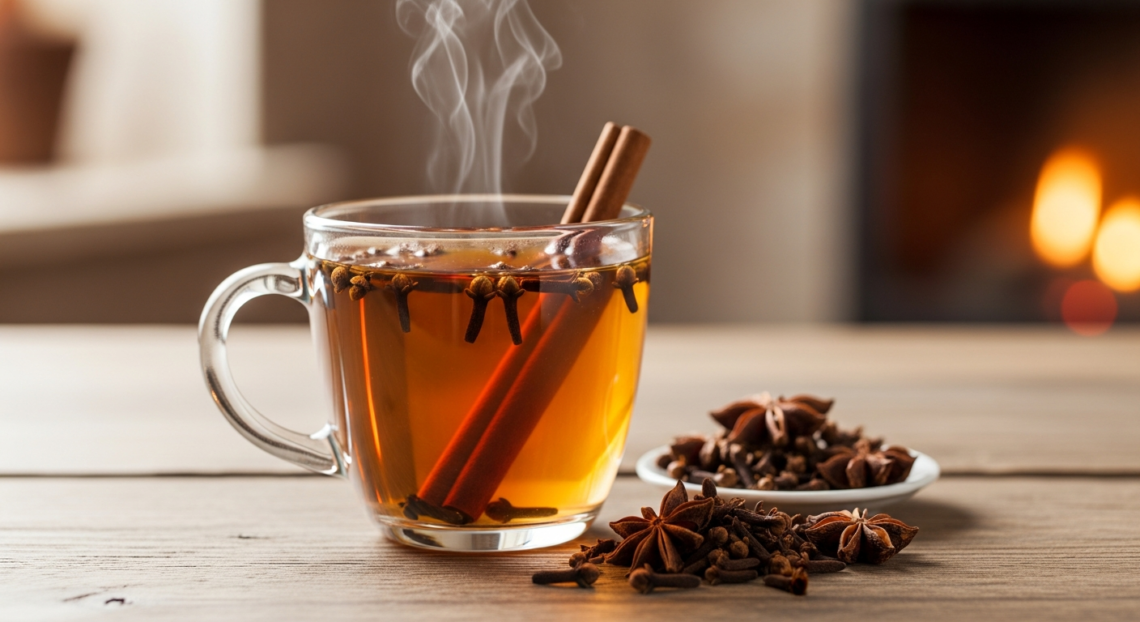
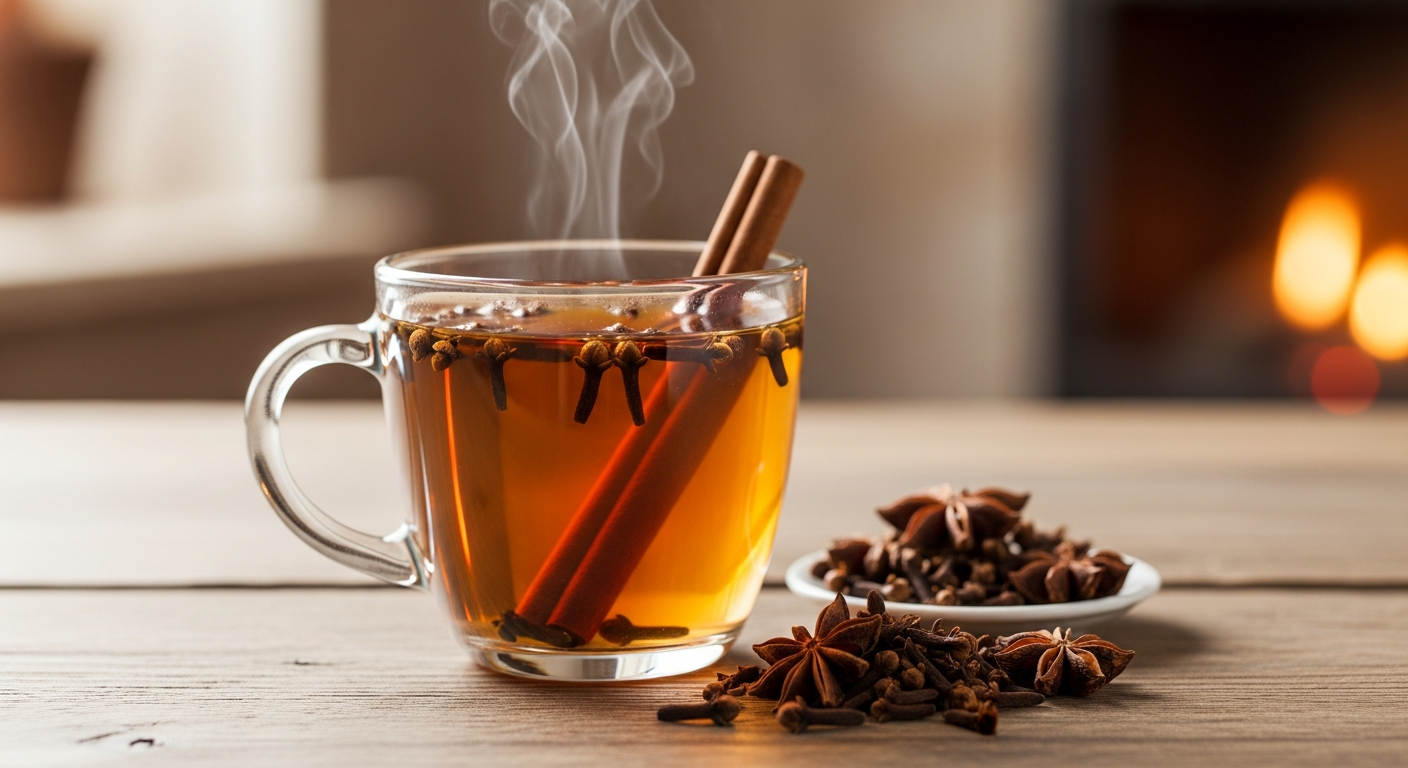
Clove tea is a warm drink made by boiling dried clove buds in water.
People have used this tea for many years in home remedies.
It smells strong but tastes gentle when prepared the right way.
Many families drink it during cold days or after meals. This tea is popular because it is easy to make and affordable.
You only need cloves and water to prepare it at home.
Some people add honey or lemon for extra flavor and comfort.
Others drink it plain to enjoy its natural goodness.
In this guide, I will explain what clove tea is good for, how to prepare it, and possible side effects.
I will also share simple tips from real-life use to help you drink it safely.
|
About the Guide This guide provides essential information on Clove Tea, focusing on traditional wellness practices and home preparation for a balanced lifestyle. |
Quick Facts Table About Clove Tea
| Detail | Information |
|---|---|
| Common Name | Clove Tea |
| Main Ingredient | Dried clove buds |
| Taste | Warm, spicy, slightly sweet |
| Best Time to Drink | Morning or after meals |
| Popular Uses | Digestion, sore throat, comfort |
| Preparation Time | 10–15 minutes |
| Suitable For | Adults (in moderation) |
What Is Clove Tea Good For?
Clove tea is known for its comforting and soothing nature.
Many people drink it when their stomach feels heavy.
Others enjoy it during cold weather to feel warm inside.
This tea contains natural plant compounds from cloves.
These compounds may help the body feel balanced.
That is why clove tea benefits are often discussed in traditional wellness practices.
From personal experience, many people say it helps after eating oily food.
Some families even serve it after dinner instead of regular tea.
It is not magic, but it feels gentle and calming when used correctly.
Clove Tea Benefits for Daily Wellness
Clove tea benefits are mostly linked to digestion and comfort.
It may help reduce bloating and gas after meals.
That is why many people drink it slowly after eating.
The warm liquid also helps relax the throat.
Some users say it feels good during seasonal changes.
It can be a nice alternative to sugary drinks.
Clove tea also contains natural antioxidants.
These support the body in simple ways over time.
Drinking it regularly, but not too much, is the key.
How to Make Clove Tea at Home
Learning how to make clove tea is very simple.
You do not need special tools or skills.
Anyone can prepare it in their kitchen.
Start by boiling one cup of clean water.
Add two to three whole cloves into the water.
Let it boil for five to seven minutes.
Turn off the heat and strain the tea.
Drink it warm for best comfort.
This basic method keeps the flavor mild and pleasant.
Easy Clove Tea Recipe for Beginners
This clove tea recipe is perfect for first-time users.
It uses only simple ingredients and steps.
The taste stays light and smooth.
Ingredients include one cup water and three cloves.
Optional additions are honey or lemon.
These extras improve taste but are not required.
Boil water, add cloves, and simmer gently.
Strain and sip slowly.
This recipe is safe for regular use when taken in moderation.
How Do You Make Clove Tea Taste Better?
Many people ask, how do you make clove tea more enjoyable.
The answer depends on personal taste.
Some prefer mild, while others like strong flavors.
You can add a small spoon of honey.
This balances the spicy taste of cloves.
A slice of lemon adds freshness too.
Another option is adding cinnamon or ginger.
These pair well with clove tea.
Always keep ingredients natural and simple.
Clove Tea for Digestion Support
Clove tea is often used after meals.
People drink it to feel lighter and relaxed.
This habit is common in many cultures.
The warm liquid helps the stomach settle.
It may reduce the feeling of fullness.
That is why clove tea benefits digestion routines.
From experience, sipping slowly works best.
Drinking it too fast may feel strong.
Moderation always gives better results.
Is Clove Tea Good for Cold Weather?
Clove tea feels warming during cold seasons.
It is often enjoyed at night or early morning.
The aroma alone feels comforting.
Many people drink it for throat comfort.
The warmth helps relax dry feelings.
This is why families keep cloves at home.
While it does not cure illness, it supports comfort.
Think of it as a cozy drink, not medicine.
That mindset helps manage expectations.
Clove Tea Side Effects You Should Know
Clove tea side effects are rare but possible.
Drinking too much may upset the stomach.
Strong tea can feel harsh for some people.
People with sensitive digestion should start small.
One cup per day is usually enough.
Pregnant women should ask a doctor first.
Clove tea is safe when used wisely.
Avoid overuse or very strong brews.
Balance is always important for herbal drinks.
How Often Should You Drink Clove Tea?
Clove tea is best enjoyed in moderation.
One cup a day is usually enough.
Some people drink it every other day.
Listening to your body is important.
If it feels too strong, reduce the amount.
Never force yourself to drink it daily.
Using cloves as part of a balanced diet is smart.
Do not treat clove tea as a cure.
Think of it as gentle support.
Clove Tea vs Other Herbal Teas
Clove tea has a stronger taste than many teas.
It is spicier than chamomile or mint.
That is why some people prefer mild blends.
Unlike green tea, it has no caffeine.
This makes it suitable for evenings.
It also pairs well with other herbs.
Each herbal tea has its own purpose.
Clove tea stands out for warmth and aroma.
Choose based on your comfort and needs.
FAQs About Clove Tea
Clove tea is good for digestion comfort and warmth. It is often used after meals or in cold weather.
Boil water, add two to three cloves, simmer, strain, and drink warm.
Yes, too much may cause stomach discomfort. Moderation is important.
Yes, one cup daily is usually safe for most adults.
It has a spicy taste, but honey or lemon can soften it.
Yes, it is caffeine-free and suitable for evenings.
Final Thoughts on Clove Tea
Clove tea is a simple and comforting drink.
It is easy to make and affordable for everyone.
Many people enjoy it for digestion and warmth.
When prepared correctly, clove tea benefits daily routines.
Always drink it in moderation.
Strong teas should never be overused.
If you enjoyed this guide, try the recipe today.
Share your experience or favorite mix-ins.
Your body will thank you for gentle care.