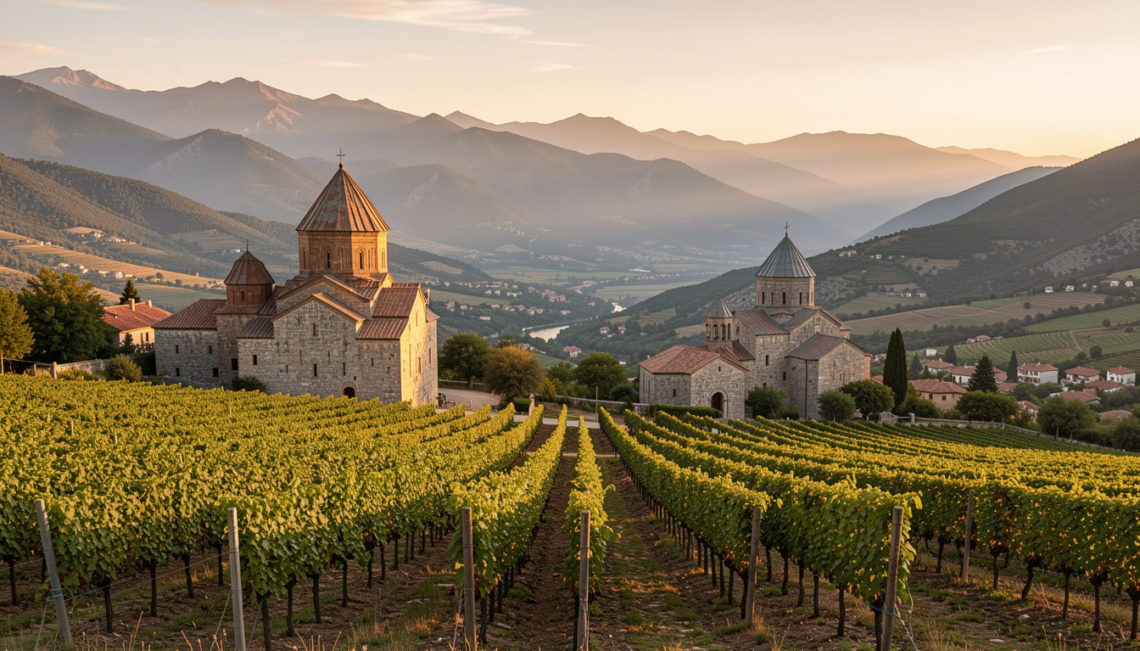
The country of Georgia is a gem at the crossroads of Europe and Asia. Nestled in the South Caucasus region, Georgia is known for its stunning landscapes, ancient history, and vibrant culture. From the towering peaks of the Caucasus Mountains to the Black Sea coastline, Georgia offers travelers and historians alike a unique blend of natural beauty, cultural richness, and warm hospitality. Despite its relatively small size, the country has a rich story to tell and a heritage that stretches back thousands of years.
Geography of Georgia
Georgia is strategically located in the Caucasus, bordered by Russia to the north, Turkey and Armenia to the south, Azerbaijan to the southeast, and the Black Sea to the west. Its geographical diversity is remarkable. The northern regions are dominated by the Greater Caucasus Mountains, which feature some of the tallest peaks in Europe. The southern part of the country, particularly the region of Samtskhe-Javakheti, is characterized by fertile valleys and rolling hills. The Black Sea coastline offers a milder climate and beautiful beaches. This diversity in geography allows Georgia to be both a winter sports destination and a summer getaway.
The country’s terrain also supports a wide range of flora and fauna. Dense forests, alpine meadows, and river valleys are home to numerous endemic species. Protected areas like the Borjomi-Kharagauli National Park and Tusheti National Park ensure that the country’s natural beauty is preserved for future generations.
History of Georgia
Georgia has a history that dates back to ancient times, with evidence of human settlements from the Paleolithic era. It has been a crossroads of civilizations, influenced by Persian, Byzantine, Ottoman, and Russian empires over centuries. The ancient kingdom of Colchis, known from Greek mythology as the land of the Golden Fleece, was located in western Georgia. Eastern Georgia was once ruled by the Kingdom of Iberia, which played a significant role in early Christian history.
Christianity became the state religion in Georgia in the early 4th century, making it one of the earliest Christian countries in the world. The medieval period saw the rise of the Kingdom of Georgia under Queen Tamar, a golden era marked by cultural flourishing, architectural marvels, and military successes. Despite periods of foreign domination, Georgia maintained its language, traditions, and identity.
Culture of Georgia
Georgian culture is deeply rooted in its traditions, art, music, and cuisine. The Georgian language, with its unique script, is one of the oldest living languages in the world. Folk music and dance are integral parts of national celebrations, often showcasing vibrant costumes and intricate choreography.
Cuisine is another essential element of Georgian culture. Traditional dishes like khachapuri (cheese-filled bread), khinkali (dumplings), and mtsvadi (grilled meat skewers) are renowned worldwide. Georgia is also famous for its wine-making traditions, which date back over 8,000 years. The country’s unique qvevri method of fermenting wine in clay vessels is recognized by UNESCO as part of the Intangible Cultural Heritage of Humanity.
Cities of Georgia
Tbilisi, the capital, is the political, economic, and cultural hub of Georgia. The city’s old town features cobblestone streets, ancient churches, and vibrant art scenes, reflecting a fusion of European and Asian influences. Rustaveli Avenue, lined with theaters, museums, and cafes, is the city’s main artery.
Batumi, located on the Black Sea coast, is famous for its modern architecture, lively nightlife, and botanical gardens. Kutaisi, one of the oldest cities, is home to the UNESCO-listed Bagrati Cathedral and Gelati Monastery. Each city in Georgia tells a different story, offering visitors a blend of history, modernity, and natural beauty.
Tourism in Georgia
Tourism in Georgia has grown rapidly in recent years, attracting travelers seeking adventure, history, and culture. The country offers diverse activities, including hiking in the Caucasus Mountains, skiing in Gudauri, and exploring the caves of Uplistsikhe. Wine tourism is also popular, with numerous wineries offering tastings and tours.
Cultural festivals, such as the Tbilisi International Film Festival and Tbilisoba, celebrate the country’s art, music, and culinary heritage. Adventure seekers can explore the scenic trails of Svaneti or the ancient monasteries in the Kakheti wine region. Georgia’s combination of affordability, safety, and natural beauty makes it an increasingly attractive destination for global travelers.
Economy of Georgia
Georgia’s economy is diverse and growing. Agriculture, tourism, and energy play vital roles, along with growing sectors in technology and manufacturing. The fertile lands support the production of fruits, vegetables, and wine, which are important export items.
Tourism has become a cornerstone of the economy, with millions visiting each year. The government has also promoted economic reforms, improving infrastructure and business opportunities, making Georgia an emerging hub for trade between Europe and Asia.
Language and Religion in Georgia
The Georgian language, part of the Kartvelian language family, is unique and written in its own script. It is spoken by over 3.7 million people in Georgia and by Georgian communities worldwide. Russian and English are also commonly spoken, particularly in urban areas and tourist centers.
Religion plays a central role in Georgian society. The majority of the population adheres to the Georgian Orthodox Church, which has significantly shaped the country’s culture and traditions. Religious festivals, ancient monasteries, and churches scattered throughout the country are key cultural landmarks.
Natural Beauty of Georgia
Georgia is renowned for its breathtaking landscapes. The Caucasus Mountains offer some of Europe’s most dramatic scenery, including Mount Shkhara, Georgia’s highest peak. The region of Svaneti is famous for its medieval tower houses and picturesque mountain villages.
The Black Sea coastline provides a milder climate, sandy beaches, and vibrant seaside towns. Rivers, waterfalls, and forests add to the country’s scenic charm. National parks and protected areas offer opportunities for hiking, wildlife spotting, and eco-tourism, preserving Georgia’s natural heritage for future generations.
Georgian Architecture
Georgian architecture reflects its rich history and cultural influences. Ancient churches, monasteries, and fortresses dot the landscape, showcasing medieval stonework and unique architectural styles. Notable examples include Svetitskhoveli Cathedral in Mtskheta, Gelati Monastery near Kutaisi, and the Narikala Fortress in Tbilisi.
Traditional houses, especially in Svaneti and Tusheti, feature stone towers designed for defense, reflecting the country’s historical struggles. Modern architecture in Tbilisi and Batumi combines contemporary design with local cultural elements, offering a striking contrast to ancient structures.
Conclusion
The country of Georgia is a remarkable destination that combines natural beauty, historical depth, and cultural richness. From its towering mountains to its fertile valleys, ancient cities, and warm-hearted people, Georgia offers an unforgettable experience for travelers, historians, and cultural enthusiasts. With a growing tourism industry, preserved heritage sites, and a welcoming atmosphere, the country is poised to become one of the world’s most cherished travel destinations. Exploring Georgia means experiencing a land where history, nature, and tradition converge to create a unique and vibrant tapestry of life.
FAQs About Georgia
1. What is the capital of Georgia?
The capital of Georgia is Tbilisi, a city known for its historical architecture, vibrant arts scene, and cultural diversity.
2. What language is spoken in Georgia?
The official language is Georgian, which has its own unique script. Russian and English are also widely understood, especially in urban areas.
3. What are some traditional Georgian foods?
Popular dishes include khachapuri (cheese-filled bread), khinkali (dumplings), and mtsvadi (grilled meat). Georgia is also renowned for its ancient wine-making traditions.
4. Is Georgia safe for tourists?
Yes, Georgia is generally considered safe for tourists. Major cities and tourist destinations are secure, and locals are known for their hospitality.
5. What are the main tourist attractions in Georgia?
Tourists can explore Tbilisi’s old town, Batumi’s seaside resorts, Svaneti’s mountain villages, historical monasteries, national parks, and vineyards in the Kakheti region.