Baylor Bears men’s basketball represents Baylor University in Waco, Texas, and has grown into one of the premier programs in college basketball. While the program experienced modest success in its early decades, it has evolved dramatically over time, becoming a national powerhouse in the 21st century.
Baylor basketball journey began in the early 1900s. For much of its history, the team competed in the old Southwest Conference before transitioning into the highly competitive Big 12 Conference in 1996. The early years were defined by regional competition and occasional NCAA Tournament appearances, but the program lacked consistent national recognition.
The transformation of Baylor basketball began in the early 2000s. Despite facing significant challenges and rebuilding phases, the university invested in facilities, recruitment, and coaching. That commitment laid the groundwork for what would become one of the most remarkable turnarounds in NCAA history.
The Scott Drew Era and Program Transformation
A defining chapter in Baylor basketball history began when Scott Drew took over as head coach in 2003. At the time, the program was struggling both competitively and structurally. Drew inherited a difficult situation but methodically rebuilt the team through strong recruiting, player development, and a positive team culture.
Under Drew’s leadership, Baylor became a consistent NCAA Tournament contender. The Bears reached multiple Sweet 16 and Elite Eight appearances, steadily climbing the national rankings. His recruiting classes included high-level talent that could compete with the best programs in the country.
Drew’s emphasis on discipline, defense, and team-oriented play reshaped Baylor’s identity. Instead of relying solely on individual stars, the Bears developed a balanced roster with depth and versatility. Over time, Baylor transformed from an underdog into a legitimate national title contender.
The 2021 National Championship Victory
The pinnacle of Baylor basketball success came during the 2020–2021 season. The Bears dominated the college basketball landscape, finishing with an outstanding record and earning a No. 1 seed in the NCAA Tournament.
In the national championship game, Baylor defeated the previously undefeated Gonzaga Bulldogs men’s basketball in decisive fashion. The victory secured Baylor’s first men’s basketball national championship in school history.
Key players such as Jared Butler, Davion Mitchell, and MaCio Teague played instrumental roles in the championship run. The team was known for elite perimeter defense, efficient three-point shooting, and relentless pace. Their defensive pressure disrupted opponents all season long.
This championship solidified Baylor’s place among college basketball’s elite programs. It also demonstrated the effectiveness of long-term program building, player development, and cultural stability.
Baylor Basketball in the Big 12 Conference
Competing in the Big 12 Conference presents significant challenges. The conference consistently ranks among the strongest in Division I basketball, featuring powerhouse programs and intense rivalries.
Baylor faces regular competition from nationally ranked teams, making conference play a true test of endurance and skill. The Bears have captured multiple Big 12 regular-season and tournament titles in recent years, proving their ability to compete at the highest level.
The physical and tactical style of Big 12 basketball prepares Baylor well for NCAA Tournament play. Strong defensive matchups, disciplined half-court offense, and strategic coaching battles characterize the conference schedule.
Player Development and NBA Pipeline
One of the defining features of modern Baylor basketball is its ability to develop players for professional careers. Numerous Bears have gone on to play in the NBA, showcasing the program’s emphasis on skill refinement and mental preparation.
The coaching staff focuses heavily on defensive fundamentals, decision-making, and conditioning. Guards are trained to apply pressure and manage tempo, while forwards and centers develop versatility to compete in modern basketball systems.
The success of former Baylor players at the professional level enhances the program’s recruiting appeal. Prospective athletes see Baylor as a place where they can grow both academically and athletically while preparing for the next stage of their careers.
Home Court Advantage at the Ferrell Center
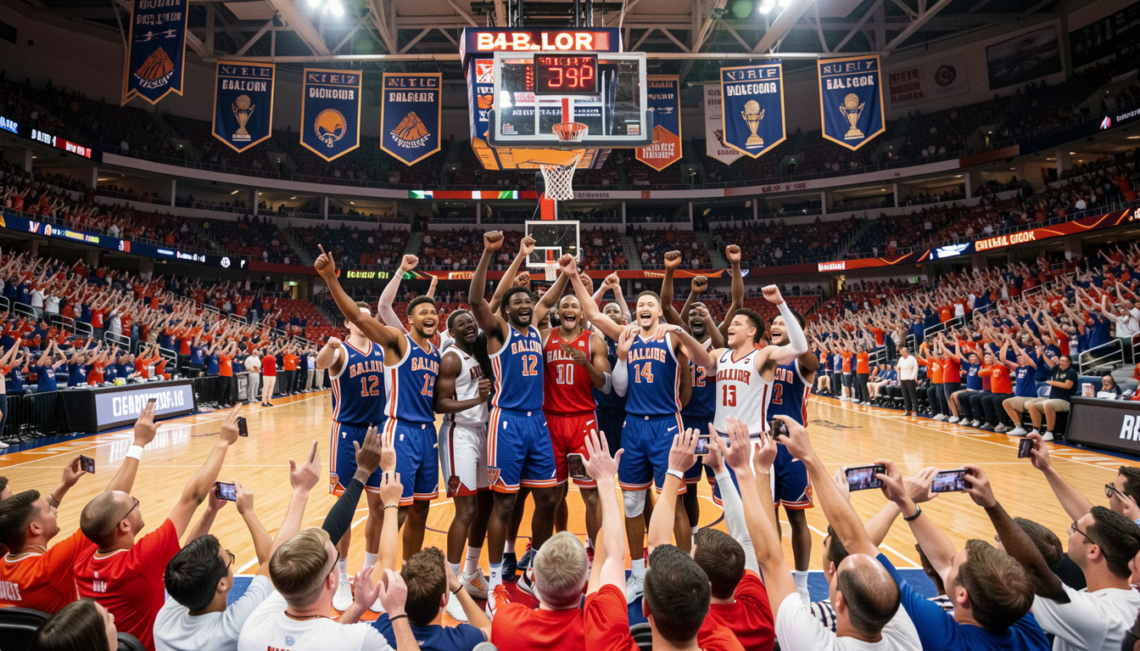
Baylor plays its home games at the Paul J. Meyer Arena at the Ferrell Center. The arena provides an energetic environment that fuels the team’s performance. With passionate fans and a vibrant student section, Baylor enjoys a significant home-court advantage.
The Ferrell Center atmosphere intensifies during conference matchups and rivalry games. The crowd’s enthusiasm often disrupts opposing teams and creates momentum swings that favor the Bears.
Strong home performance has been a cornerstone of Baylor’s consistent success. Protecting home court during conference play has frequently positioned the Bears for high NCAA Tournament seeding.
Recruiting Strategy and Future Outlook
Recruiting remains central to Baylor basketball’s sustained excellence. The program attracts high-caliber high school athletes and transfers who fit the team’s culture. Rather than focusing solely on rankings, the coaching staff seeks players who embrace teamwork, defense, and work ethic.
The transfer portal era has also benefited Baylor. Experienced players who join the program often thrive in its structured system. This blend of youthful talent and seasoned transfers creates balanced rosters capable of deep postseason runs.
Looking ahead, Baylor continues to adapt to changes in college athletics, including NIL opportunities and conference realignment. The program’s infrastructure, leadership stability, and winning culture suggest continued competitiveness on the national stage.
Women’s Basketball Excellence at Baylor
While men’s basketball has captured national headlines, Baylor Bears women’s basketball has also achieved remarkable success. The women’s program has won multiple national championships and consistently ranks among the nation’s best.
The tradition of excellence across both programs reinforces Baylor’s reputation as a basketball powerhouse. Strong institutional support and fan engagement benefit both teams and elevate the university’s athletic profile.
This dual success demonstrates Baylor’s comprehensive commitment to basketball development and competitive achievement.
Conclusion
Baylor basketball has evolved from a modest regional program into a national champion and consistent contender. Through strategic leadership, strong recruiting, and disciplined player development, the Bears have established themselves among college basketball’s elite. The transformative leadership of Scott Drew, the historic 2021 national championship, and continued Big 12 competitiveness highlight the program’s sustained growth.
With a solid foundation, passionate fan base, and forward-thinking approach, Baylor basketball appears well-positioned for continued success. Whether competing for conference titles or making deep NCAA Tournament runs, the Bears remain a formidable presence in college basketball.
FAQs
1. When did Baylor win its first national championship in men’s basketball?
Baylor won its first men’s basketball national championship in the 2020–2021 season by defeating Gonzaga in the title game.
2. Who is the most successful coach in Baylor basketball history?
Scott Drew is widely considered the most successful coach in program history due to his rebuilding efforts and national championship victory.
3. What conference does Baylor basketball compete in?
Baylor competes in the Big 12 Conference, one of the most competitive leagues in NCAA Division I basketball.
4. Where does Baylor play its home basketball games?
The team plays at the Paul J. Meyer Arena at the Ferrell Center in Waco, Texas.
5. Has Baylor produced NBA players?
Yes, Baylor has developed numerous players who have gone on to successful NBA careers, reflecting the program’s strong emphasis on player development.