Fat Jokes Humor has always been a powerful tool for bringing people together — it can lighten the mood, make social situations less awkward, and help people cope with life’s challenges. But when it comes to fat jokes, things get complicated. While some may see them as harmless humor, others recognize the deeper impact these jokes can have on self-esteem, body image, and mental health. In this article, we’ll dive deep into the culture of fat jokes, why they persist, and how humor can evolve into something more inclusive and kind.
The Origins of Fat Jokes: How Society Learned to Laugh at Size
For centuries, comedians and entertainers have relied on body-related humor to get laughs. Back in the early days of theater and cinema, characters who were overweight were often portrayed as clumsy, lazy, or overly jolly — stereotypes that stuck for decades. These caricatures made audiences laugh, but they also created lasting ideas about what it meant to be “fat.”
The entertainment industry, especially in the mid-20th century, fueled this further. TV shows, movies, and stand-up routines often used fat jokes as easy punchlines. The joke wasn’t about the character’s actions — it was about their body. This made audiences subconsciously associate weight with humor and ridicule rather than seeing larger bodies as normal or beautiful in their own right.
When Humor Crosses the Line
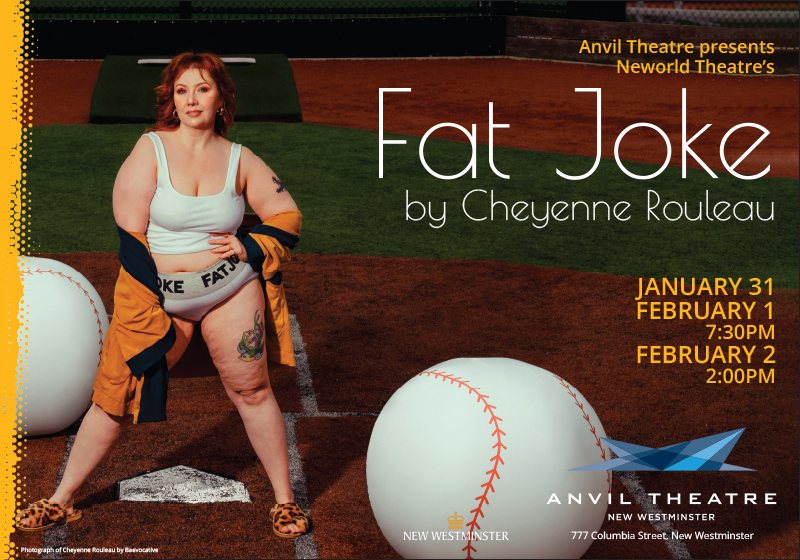
At first glance, a fat joke might seem harmless — “just a joke.” But over time, repeated exposure to this type of humor can reinforce negative stereotypes. When people constantly hear that being overweight is something to laugh at, it subtly teaches society that it’s okay to judge others for their bodies. That’s where humor turns into harm.
It’s not that jokes themselves are evil — laughter is a natural part of being human. The issue lies in who the joke targets and why it’s funny. Punching down — meaning making fun of someone who already faces social bias — is very different from laughing with someone who shares the experience.
Pop Culture’s Role in Normalizing Fat Jokes
Pop culture has a massive influence on what people think is funny. Sitcoms, cartoons, and even kids’ movies have used fat jokes to create comic relief. Think of the “funny fat friend” stereotype or the “lazy big guy” character who’s always eating. These portrayals might make audiences laugh, but they also shape how young viewers perceive body image.
In recent years, there’s been more awareness of this issue. Many modern shows and comedians are stepping away from size-based humor and instead focusing on wit, creativity, or self-awareness. Society’s sense of humor is slowly maturing — and that’s a good sign.
Why Fat Jokes Still Exist in Modern Comedy
Even though conversations around body positivity have grown louder, fat jokes still show up in movies, social media, and stand-up sets. Part of the reason is tradition. Comedy often relies on shared social understandings — and for a long time, weight-based humor was part of that shared space. Some comedians argue that audiences “know it’s a joke,” but that defense doesn’t erase the hurt it can cause.
There’s also the fact that fat jokes often rely on easy humor. They don’t require clever wordplay or deep thought; they’re simple and direct. Unfortunately, this makes them appealing to people who want a quick laugh without thinking about the consequences.
Social Media and the Rise of “Relatable” Fat Jokes
Platforms like TikTok, Twitter (X), and Instagram have changed the way humor spreads. Today, fat jokes often appear in memes or “relatable” posts about food, weight gain, or body image. Sometimes, people even make fun of themselves to fit in — what’s known as self-deprecating humor.
While self-deprecating jokes can be empowering in moderation, they can also reinforce insecurity. Constantly joking about one’s weight can make people internalize the negativity instead of confronting it. And when others jump in to laugh, it can feel like a validation of those harmful thoughts.
The Fine Line Between Self-Acceptance and Self-Mockery
There’s a difference between laughing at yourself and belittling yourself. True confidence comes from embracing your body — not mocking it for attention or validation. When fat jokes come from a place of insecurity, they often end up feeding self-doubt rather than defusing it.
Healthy humor, on the other hand, can help people reclaim their power. For example, some body-positive comedians use humor to challenge stereotypes rather than reinforce them. Instead of making fun of size, they poke fun at society’s obsession with perfection — flipping the script in a way that’s both funny and empowering.
The Impact of Fat Jokes on Mental Health
Words matter more than most people realize. When someone hears fat jokes repeatedly — whether about them or people who look like them — it can chip away at their confidence. Studies show that weight-based teasing is linked to anxiety, depression, and even disordered eating. What starts as “harmless humor” can have long-lasting emotional effects.
Even casual jokes among friends can sting. When someone laughs along just to fit in, they may be masking genuine hurt. Over time, this can lead to feelings of isolation and self-hate, especially for teens or young adults still developing their self-image.
How Society’s Obsession with Thinness Fuels the Problem
One reason fat jokes are so normalized is that society still idolizes thinness. From fashion magazines to fitness influencers, the message is often that being slim equals being successful or attractive. That cultural pressure makes weight-based humor easier to accept because it aligns with what people are taught to value.
But that mindset is shifting. More brands, creators, and celebrities are embracing body diversity and calling out size-based discrimination. As conversations about mental health and inclusion grow, it’s becoming clearer that laughter shouldn’t come at someone else’s expense. Breaking the Cycle of Shame
Ending the cycle starts with awareness. If people understand how fat jokes harm others — even unintentionally — they’re more likely to stop using them. Encouraging open conversations about body image can also make humor more thoughtful. It’s not about policing comedy, but about evolving it into something kinder and more creative.
When someone makes a fat joke, the best response isn’t to get angry — it’s to ask why it’s funny. That question alone can make people think twice about their intentions and impact.
How Humor Can Evolve Beyond Body Shaming
The best comedians aren’t afraid to challenge old norms. They find ways to be funny without making others feel small. Instead of recycling fat jokes, they use their platform to highlight shared human experiences — things like awkward moments, relationships, or everyday struggles that everyone can relate to.
Inclusive comedy doesn’t mean humor has to be “safe” or boring. It just means it should punch up, not down. That’s the mark of a skilled comedian: someone who can make people laugh and think.
Reclaiming Humor: Laughing With, Not At
Some people who’ve faced fat-shaming use humor as a form of empowerment. By reclaiming the narrative, they take away the power of insults. When they joke about their experiences in a self-aware way, it can connect with audiences who’ve been through similar things — building solidarity instead of shame.
This approach turns humor into a healing tool. It says, “Yes, I’ve been judged for my body, but I’m still confident, strong, and funny.” That’s a far cry from the old “fat joke” stereotype — and it’s a healthier, more modern version of comedy.
Teaching the Next Generation Better Humor
The way we talk about bodies starts early. Kids learn what’s funny from adults, media, and peers. Teaching young people that jokes about appearance aren’t cool helps them build empathy and emotional intelligence. Encouraging humor that celebrates differences instead of mocking them creates a more positive social culture for everyone.
Parents, teachers, and content creators can all play a role by modeling inclusive humor — the kind that makes everyone feel welcome at the punchline.
Final Thoughts: The End of Fat Jokes and the Rise of Better Comedy
Fat jokes once seemed like a harmless staple of comedy, but as society grows more aware, it’s clear they don’t belong in modern humor. Laughing at someone’s body isn’t edgy or clever — it’s outdated. The future of comedy lies in creativity, connection, and empathy.
Humor should bring people together, not tear them apart. When laughter uplifts instead of insults, it becomes something powerful — something healing. So the next time someone cracks a fat joke, remember: the funniest people aren’t the ones who make others feel small; they’re the ones who make everyone feel seen.