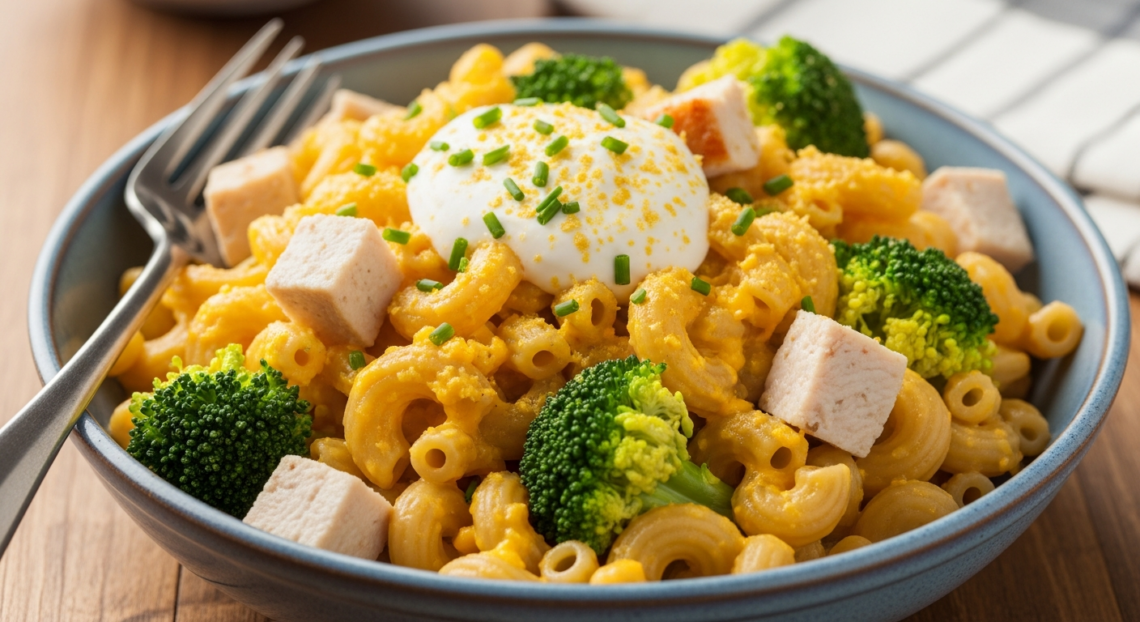
Mac and cheese is a beloved comfort food around the world. Its creamy, cheesy texture combined with tender pasta makes it irresistible. However, traditional mac and cheese is often high in calories, fat, and carbohydrates while lacking substantial protein. For those aiming to maintain or build muscle, manage weight, or simply eat a more balanced diet, protein mac and cheese is a fantastic alternative. This article explores everything you need to know about protein-packed mac and cheese, from ingredients and health benefits to preparation tips.
What Is Protein Mac and Cheese?
Protein mac and cheese is a variation of the classic mac and cheese recipe with added protein sources to make it more nutritious and filling. Instead of just relying on pasta and cheese, this dish incorporates high-protein ingredients like Greek yogurt, cottage cheese, protein powder, lean meats, or legumes. The goal is to increase the protein content while maintaining the creamy, cheesy flavor that makes mac and cheese so comforting.
This dish is perfect for fitness enthusiasts, busy professionals, or anyone looking for a satisfying meal that supports a healthy lifestyle. Protein mac and cheese can be customized to suit vegetarian, vegan, or gluten-free diets depending on your preferences.
Health Benefits of Protein Mac and Cheese
Protein mac and cheese offers several health benefits compared to traditional mac and cheese. These include:
Supports Muscle Growth and Repair
Protein is essential for muscle growth, repair, and recovery. Adding protein-rich ingredients helps meet daily protein requirements, especially for athletes and those engaged in strength training.
Promotes Satiety and Reduces Overeating
High-protein meals keep you full longer, which can help control hunger and prevent overeating. Protein mac and cheese can be a satisfying lunch or dinner option without unnecessary snacking.
Improves Metabolism
Protein requires more energy to digest than fats or carbohydrates. Including protein in your mac and cheese may slightly increase calorie burn through the thermic effect of food.
Supports Bone Health
Ingredients like cheese and Greek yogurt provide calcium and other minerals essential for strong bones.
Balances Blood Sugar
Adding protein to a carb-heavy dish like mac and cheese can help slow the absorption of sugar into the bloodstream, promoting better blood sugar control.
Ingredients for Protein Mac and Cheese
Creating a protein-packed version of mac and cheese involves selecting ingredients that increase protein without compromising taste. Common ingredients include:
High-Protein Pasta
Look for pasta made from lentils, chickpeas, or whole wheat to increase protein content and fiber.
Cheese
Choose low-fat or high-protein cheeses such as mozzarella, cottage cheese, or cheddar.
Greek Yogurt
A creamy addition that boosts protein while reducing fat and calories.
Lean Meats
Chicken, turkey, or ham can be added for extra protein.
Plant-Based Proteins
For vegetarian or vegan versions, tofu, tempeh, or plant-based protein powders can replace meat.
Milk or Plant-Based Milk
Use milk, almond milk, or soy milk as a base for your cheese sauce.
Seasonings and Herbs
Garlic powder, paprika, black pepper, and mustard add flavor without extra calories.
How to Make Protein Mac and Cheese
Making protein mac and cheese is simple and customizable. Here’s a basic step-by-step guide:
Cook the Pasta
Use high-protein pasta and cook it according to the package instructions. Drain and set aside.
Prepare the Cheese Sauce
In a saucepan, combine milk, Greek yogurt, and your choice of cheese. Stir until the cheese melts and the mixture becomes creamy.
Add Protein
Include your protein source, such as shredded chicken, tofu, or a scoop of unflavored protein powder. Mix thoroughly to combine.
Season
Add garlic powder, paprika, black pepper, or any preferred spices to enhance flavor.
Combine Pasta and Sauce
Mix the cooked pasta with the cheese and protein sauce until evenly coated.
Bake (Optional)
For a traditional baked texture, transfer the mixture to a baking dish, sprinkle with extra cheese, and bake at 350°F for 15–20 minutes until golden and bubbly.
Serve and Enjoy
Protein mac and cheese can be enjoyed as a main dish or paired with vegetables for a complete meal.
Tips for Increasing Protein in Mac and Cheese
In addition to the ingredients listed above, there are several strategies to boost protein content in mac and cheese:
Use High-Protein Pasta Varieties
Chickpea pasta, lentil pasta, and edamame pasta are excellent sources of protein and fiber.
Incorporate Protein Powders
Unflavored whey or plant-based protein powder can be added to the cheese sauce for a subtle protein boost.
Add Eggs
Whisk eggs into the cheese sauce to create a custard-like texture while increasing protein.
Include Beans or Lentils
Black beans, kidney beans, or lentils blend well with cheesy sauces and provide extra protein and fiber.
Use Lean Meats Strategically
Cooked chicken, turkey, or shrimp can be mixed in without overpowering the flavor.
Combine Dairy Products
Using a mix of cottage cheese, Greek yogurt, and cheese provides multiple sources of protein while maintaining creaminess.
Variations of Protein Mac and Cheese
Protein mac and cheese is highly versatile. Some popular variations include:
Vegetarian Protein Mac and Cheese
Uses Greek yogurt, cottage cheese, and plant-based protein powders instead of meat.
Vegan Protein Mac and Cheese
Uses plant-based cheeses, soy or oat milk, and legumes like chickpeas for protein.
Low-Carb Protein Mac and Cheese
Replaces pasta with zucchini noodles, spaghetti squash, or shirataki noodles.
Spicy Protein Mac and Cheese
Adds jalapeños, chili flakes, or hot sauce for a spicy kick.
Baked Protein Mac and Cheese
Topped with breadcrumbs or extra cheese for a crispy texture.
Protein Mac and Cheese for Meal Prep
Protein mac and cheese is excellent for meal prep. It stores well in the refrigerator for up to 4 days and can be frozen for longer storage. When reheating, adding a splash of milk or water can help restore the creamy consistency. Portioning it into individual containers makes it easy to grab a protein-rich lunch or dinner on busy days.
Common Mistakes to Avoid
When making protein mac and cheese, there are some common mistakes to avoid:
Overcooking Pasta
Overcooked pasta becomes mushy, which affects texture. Always cook pasta al dente.
Using Too Much Protein Powder
Excess protein powder can make the sauce grainy. Add gradually and mix well.
Skipping Seasonings
Protein-rich ingredients can taste bland without seasoning. Don’t forget herbs, spices, and a pinch of salt.
Adding Too Much Liquid
Too much milk or yogurt can make the sauce runny. Adjust gradually to achieve the right consistency.
Neglecting Texture
Balance creamy ingredients with baked toppings or added vegetables to create an appealing texture.
Conclusion
Protein mac and cheese is a modern, healthy twist on a classic comfort dish. By incorporating high-protein pasta, cheese, Greek yogurt, lean meats, or plant-based proteins, this dish satisfies cravings while supporting muscle growth, satiety, and overall health. Its versatility allows for vegetarian, vegan, and low-carb versions, making it suitable for a variety of diets. Whether baked or stovetop, protein mac and cheese proves that comfort food can also be nutritious. It’s perfect for meal prep, weeknight dinners, or whenever you need a filling, protein-rich meal that doesn’t compromise on flavor.
FAQs
What is the best pasta for protein mac and cheese?
High-protein pasta like chickpea pasta, lentil pasta, or whole wheat pasta is ideal for adding extra protein and fiber.
Can I make protein mac and cheese vegan?
Yes, by using plant-based cheeses, soy or oat milk, and legumes like chickpeas or lentils for protein.
How can I increase protein without changing the taste?
Greek yogurt, cottage cheese, or unflavored protein powder can boost protein content without significantly altering flavor.
Is protein mac and cheese suitable for meal prep?
Absolutely. It can be stored in the fridge for up to 4 days or frozen for longer periods. Reheat with a splash of milk for creaminess.
Can I add vegetables to protein mac and cheese?
Yes, adding vegetables like broccoli, spinach, or peas increases fiber, vitamins, and overall nutrition without compromising flavor.